
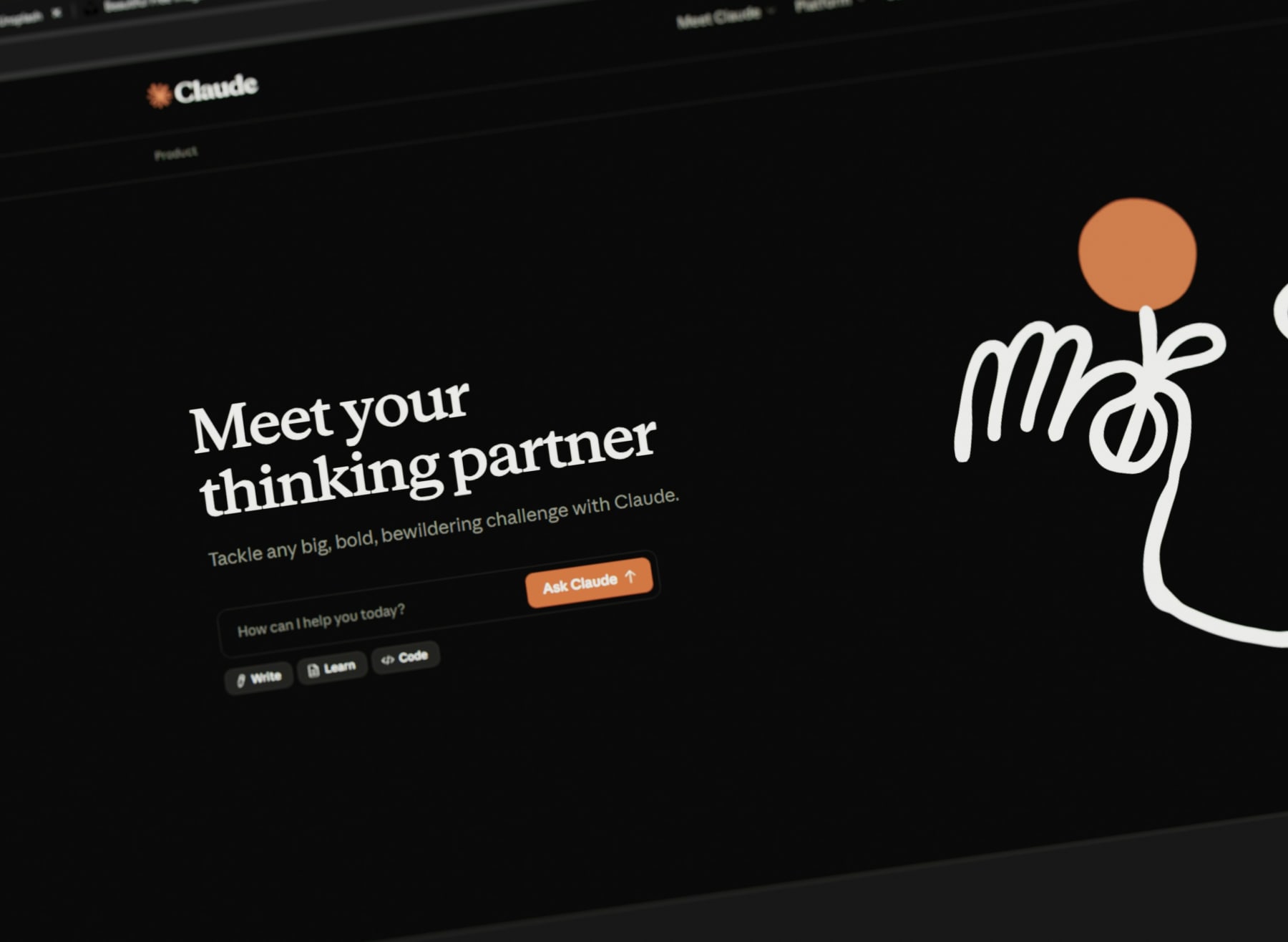
Artificial intelligence has quickly become part of the way we work. From writing reports and researching topics to debugging code, analyzing documents, and brainstorming ideas, AI tools can make our jobs significantly easier.
But there is also a side of AI usage that many professionals may not think about which is the information we provide in our prompts. A prompt may look like an ordinary question. However, when it contains a company name, project name, internal acronym, product details, technical information, or other confidential context, we may be unknowingly giving an AI system information that should have remained private.
Can AI expose your Private Data?
In October 2025, a data breach in New South Wales, Australia, showed how personal information can be accidentally exposed through AI tools. A government contractor uploaded the names, contact details, and health information of about 3,000 people to ChatGPT. Experts warned that it is difficult to know exactly what happens to information once it is uploaded to an AI platform. There is also a small possibility that sensitive information could influence an AI model if it becomes part of the data used to improve the system.

This means that people should not assume any information shared with AI is completely private, and for sure, this exposed personal information could potentially be used for scams, identity theft, or other harmful activities.
A Real World Warning
In August 2026, this concern was highlighted during an interview at the Financial Dialogue Series hosted in Ghana with Mr. Jake France, Head of Cybersecurity Technology Standards at Ghana’s Cyber Security Authority (CSA). During the interview, he discussed the risks of using company details and other identifying information when searching for information or working with AI tools.
The example he gave was particularly interesting. He said companies were asked about projects they were working on. In some cases, they understandably refused to provide details, saying the information was private. However, by going online and combining just a few relevant keywords, information related to the project was discovered. An employee may have used an AI tool to troubleshoot an issue or work on the company project. During this process, the employee might enter the company’s name, an internal project acronym, or the name of a product that has not yet been announced, or details about a technology the company is developing.

Each piece of information may seem harmless on its own, but when several pieces are put together, they can reveal sensitive details about what a company is working on. Now, the truth is AI cannot magically access a company’s private database. However, that little piece of information that seems unimportant on its own can become much more revealing when combined with other information. Given the fact that AI systems are especially good at processing and connecting information, a single search may not reveal much, but several related searches could create a clearer picture of what an organization is developing or planning. This is especially important for developers, cyber security professionals, researchers, consultants, product teams, and anyone working on projects that have not yet been publicly announced.
Once information is shared, you may not be able to take it back
One of the most important points Jake France made during the interview was that once information is shared, you may not be able to take it back completely. This is why it is better to think carefully before submitting information to an AI tool rather than trying to fix the problem afterward.
If you accidentally share confidential information (e.g passwords, usernames, emails, API keys, authentication tokens, company name, project name, IP addresses of servers or networks, private or public keys etc) with an external service, deleting the conversation from your screen does not always mean that every copy, log, or backup has been removed. An AI prompt should therefore be treated like another form of data transmission. Before pressing Enter, ask yourself, “Would I be comfortable sending this information to an external service?” If the answer is no, do not include the information in your prompt.
However, OpenAI provides a way for users to request the removal of their personal data from ChatGPT. If you believe your personal information has been accidentally captured, you can contact OpenAI through its Privacy Center and submit a personal data removal request. However, data removal may not always be immediate or guaranteed in every situation, depending on the laws and policies that apply. This is why preventing sensitive information from being shared in the first place is often safer than trying to remove it later.

Finally, AI has changed how we work, but it has also changed how we think about information security. The biggest risk is not always a large document filled with confidential information but it is about how we use it. This does not mean we should stop using AI. Instead, we should use it responsibly and be careful about what we share. Before entering a work-related prompt, take a moment to ask yourself:
“Am I sharing more information than I need to?”
Avoid entering confidential or sensitive company information unless you understand how the data will be handled. The simple lesson is: think twice before sharing private information because your AI prompt could be revealing more than you think. From writing reports and researching topics to debugging code, analyzing documents, and brainstorming ideas, AI tools can make our jobs significantly easier. But there is a side of AI usage that many professionals may not think about which is the information we provide in our prompts. A prompt may look like an ordinary question. However, when it contains a company name, project name, internal acronym, product details, technical information, or other confidential context, we may unknowingly be giving an AI system information that should have remained private.


You might also like

“AI could kill all humans!” Researchers Warn About the Future of Artificial Intelligence

AI Is No Longer Just Answering Questions. It's Now Hacking Into Websites

The Dark Business behind Fake Websites: Microsoft Takes Down a Phishing Network behind Over 1 Billion Messages
Over one billion messages crafted to scam business professionals. Now, how did it happen?
Comments(0)
Be the first to comment.