

Imagine downloading a free game simply because you’re bored. You install it, you play for a while, everything looks normal. Then, somewhere in the background, malware is searching your computer for your crypto wallet. Sounds crazy, right?
But according to U.S. federal prosecutors, that is basically what happened in an alleged malware operation linked to several games on Steam, a digital platform for buying, downloading and playing PC games. A 21-year-old Florida resident, Zyaire Dontaevious Zamarion Wilkins, was arrested in July 2026 and accused of being involved in a scheme that allegedly stole more than $220,000 worth of cryptocurrency. And the wild part? The malware was allegedly hidden inside games.
So, How Did The Scam Work?
According to court documents, the operation ran from around May 2024 to February 2026. The people behind it allegedly created and promoted several games through Steam. Some of the games named by the FBI include BlockBlasters, Chemia, Dashverse, Lampy, Lunara, PirateFi, and Tokenova. They were not simply waiting for random people to download them. Prosecutors say the group promoted the games on platforms like Discord, Telegram, X and LinkedIn. They also allegedly used social media and chatbots to identify people who were interested in cryptocurrency. Basically, they went where their potential victims were.
Once someone downloaded an infected game, the malware could allegedly search the computer for sensitive information connected to cryptocurrency wallets. The goal was simple: find valuable information, access the wallets, and take the crypto. According to investigators, about 8,000 devices were infected and at least 80 cryptocurrency wallets were compromised. That is a lot of people clicking what looked like a normal game.

The Part That Got Them Caught
Here is where things get interesting. Stealing crypto is one thing, trying to spend it without leaving a trail is another. According to the complaint, some of the stolen cryptocurrency was converted through Bitrefill, a service that allows people to buy things like gift cards using cryptocurrency. Investigators reportedly traced transactions connected to the alleged operation. More than 150 gift cards were allegedly purchased and among those purchases were Uber Eats gift cards.
But here is the problem, some of those vouchers were allegedly delivered to an address connected to Wilkins. That gave investigators another piece of the puzzle. The crypto trail, gift card purchases, phone information and address allegedly helped investigators connect the activity to him. Authorities later seized electronic devices, including a MacBook, during the investigation. Wilkins was arrested on July 14, 2026, and he has since been charged with conspiracy to obtain information by computer for private financial gain. Now, it is important to remember that these are allegations and Wilkins is presumed innocent unless proven guilty in court.
Why this is a Big Deal
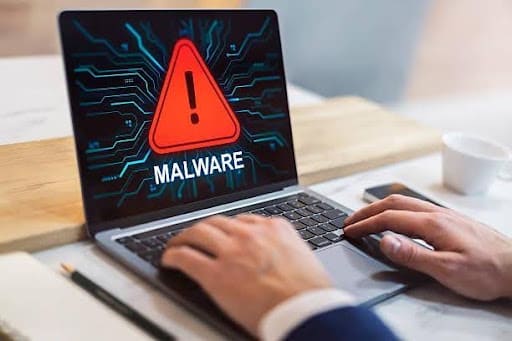
When most people hear "malware," they imagine some obvious virus that suddenly destroys their computer. But Malware does not always look scary. Sometimes, it looks like a game. Sometimes, it looks like a useful app. Sometimes, it comes from a link someone sends you on a Discord server and that is what makes this type of attack dangerous.
The problem is not always that people are careless. Sometimes, the attacker makes the malicious software look trustworthy enough that downloading it feels completely normal. You see a game, you see other people talking about it, and you see someone recommending it online. You think, "Why not?" And just like that, you could be giving malware access to your computer.
So, How Do You Protect Yourself?
You do not need to become a cybersecurity expert overnight. But a few simple habits can make a huge difference.
- Check Who Made the Game: Before downloading a game or application, look at the developer and publisher. Do not assume that something is safe just because it is available on a popular platform.
- Be Careful with Random Links: Someone dropping a game link in Discord or Telegram does not automatically make it safe. Especially be careful with links promising free games, exclusive access, cracked versions or early releases.
- Keep Your Computer Updated: Windows, macOS, browsers, antivirus software and other applications release security updates for a reason. Install them, those updates can fix security problems attackers may try to exploit.
- Protect Your Crypto: Do not keep your recovery phrase or private keys sitting in a normal text file on your computer. If someone gets access to your device, that information could become extremely valuable to them. For larger crypto holdings, consider stronger security options such as a hardware wallet.
- Turn on MFA: Multi-factor authentication adds another layer of protection to your important accounts. Turn it on for your email, crypto exchange accounts and other services that support it.

The Real Lesson
The biggest lesson from this case is pretty simple, something looking normal does not mean it is safe. A game can look like a game, a link can look like a normal link. An app can look completely harmless. But what is happening behind the screen is what really matters. Cybercriminals do not always need to break into a system through some complicated technical attack. Sometimes, they just need you to trust the wrong thing. So before you download that "free" game, maybe take a second and ask:
Who made this?
Where did I get the link?
Do I actually trust the source?
Because in cybersecurity, clicking "Install" can sometimes be the beginning of the problem and nobody wants their gaming session to turn into a crypto-loss session.

You might also like
AI Is No Longer Just Answering Questions. It's Now Hacking Into Websites
The Dark Business behind Fake Websites: Microsoft Takes Down a Phishing Network behind Over 1 Billion Messages
Over one billion messages crafted to scam business professionals. Now, how did it happen?

A Real Email Doesn’t Always Mean a Real Request
Comments(0)
Be the first to comment.