
Cybersecurity attacks do not always look like someone sitting in a dark room trying to break into a company's servers. Sometimes, the attacker does something much simpler. They make you believe they are someone you can trust.
And honestly, that can be just as dangerous. In fact, it is what makes the recent Revolut incident so concerning. On September 13, 2026, Revolut, a UK licensed digital bank, confirmed that a limited number of customers had sensitive information exposed after an unauthorized person used a legitimate government agency email domain to send fake requests for customer information. Revolut said its internal systems and customer funds were not hacked or affected.
So, What Actually Happened?
The attacker pretended to be a government authority. Instead of breaking into Revolut's network, the attacker used an email address connected to a real government agency domain and sent requests asking Revolut to provide customer information. Because the request looked like it came from a real government source, Revolut responded to the requests.
And that was the problem. Sensitive customer information was handed over to an unauthorized third party. The information reportedly included customers' names, dates of birth, home addresses, email addresses, phone numbers, passports or driver's licenses, and verification selfies. Customer notifications also indicated that account statements and transaction histories may have been exposed. Other reports identified information such as International Bank Account Numbers (IBANs), withdrawal records and Bitcoin transaction histories among the data involved.
Revolut has not publicly said exactly how many customers were affected. It has described the number as limited and said it contacted the affected customers directly. Reports also said that the attackers appeared to focus on high-value customers, although Revolut has not publicly confirmed the exact targeting details.
The Shocking Part: Revolut was not hacked
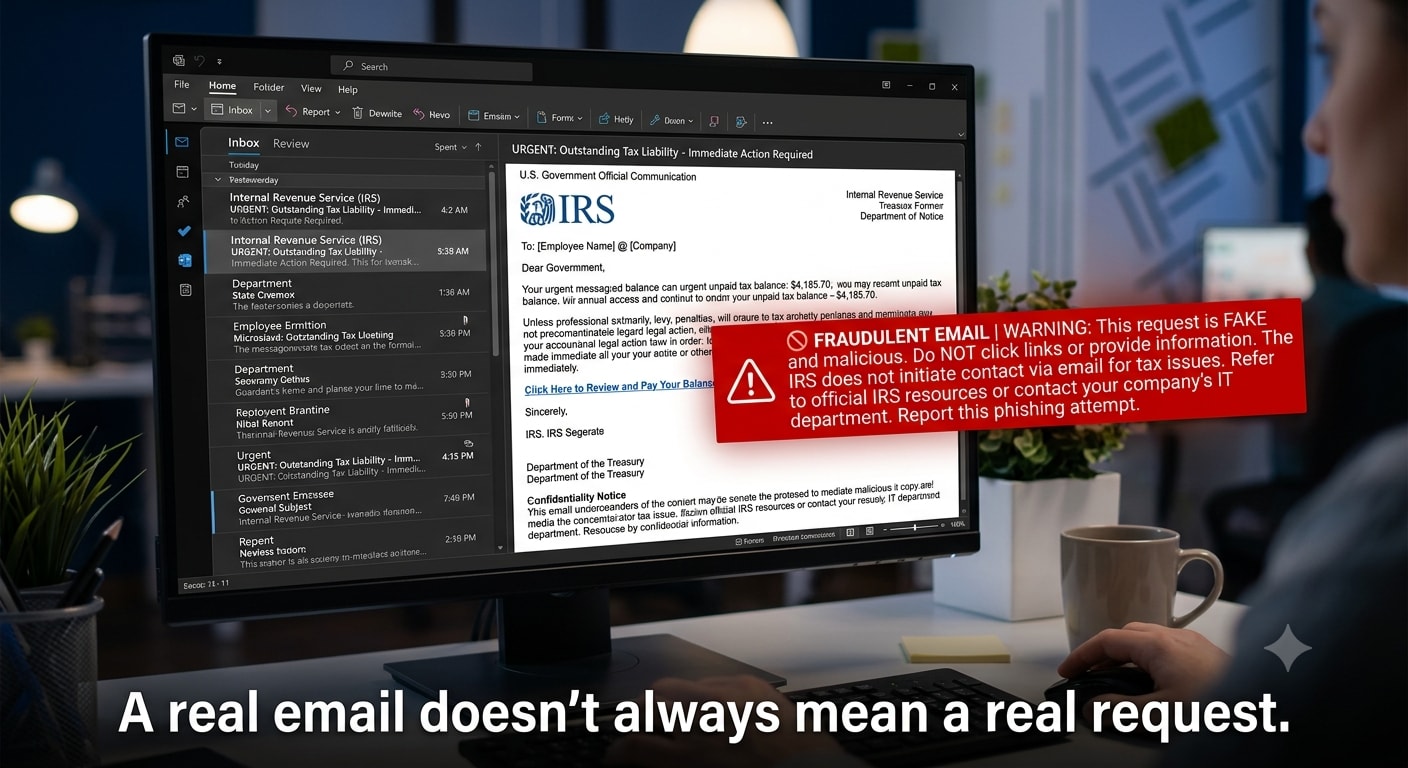
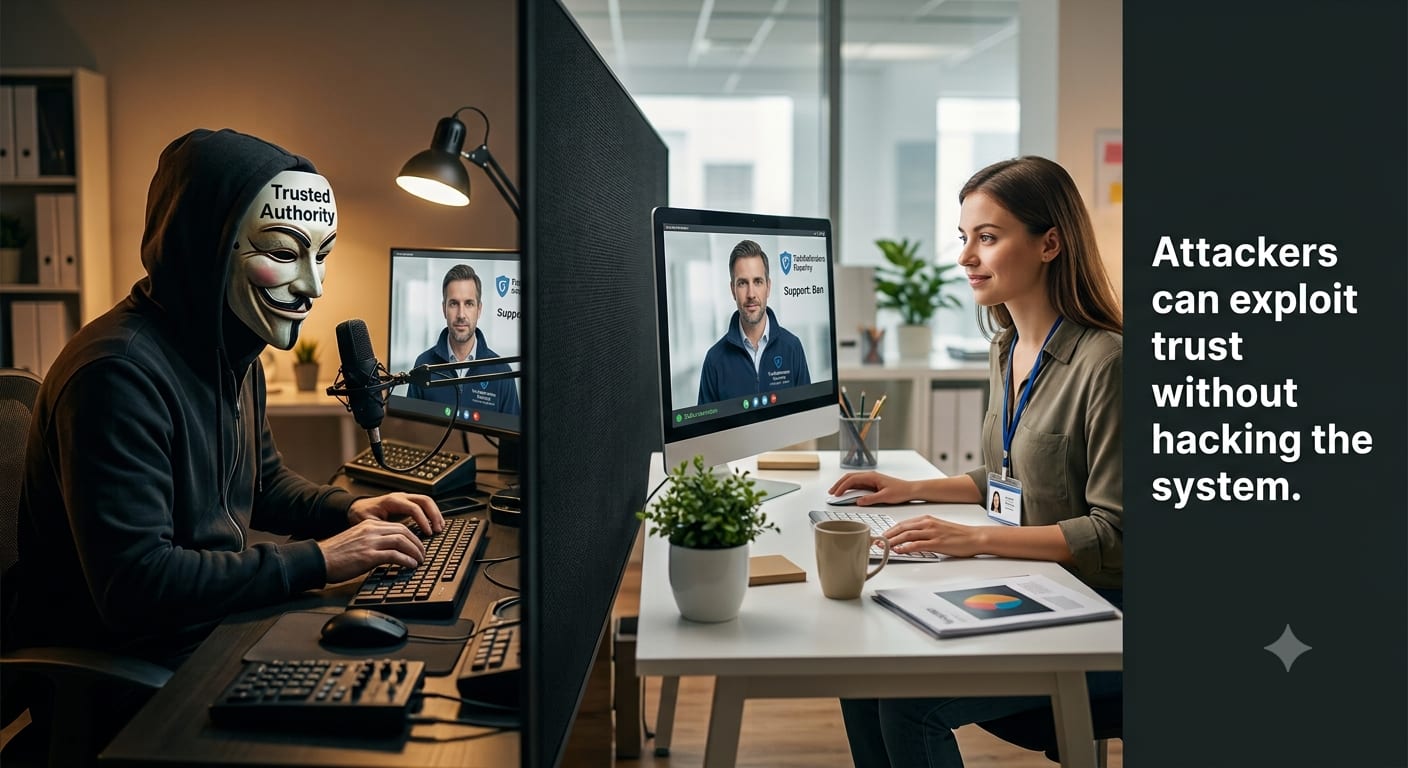
This is probably the biggest lesson from the whole incident. There was no need for the attacker to break into Revolut's servers. There was no need to install malware. There was no need to exploit a software vulnerability. Instead, the attacker exploited trust. The request looked official because it came through a genuine government email domain.
Think about it this way. If someone sends you an email claiming to be from the police or another government agency, you are more likely to believe them if the email address actually belongs to that government organization. But a real email address does not automatically mean that the person making the request is authorized to receive sensitive information.
That is where the attack succeeded.
Authentication isn’t the same as trust
This incident teaches an important cybersecurity lesson. Authentication asks, "Is this really the organization the email claims to come from?" But security also needs to ask, "Is this person actually authorized to request this information?"
Those are two different questions. An email can come from a legitimate domain and still be used for a fraudulent request. This is a form of social engineering, an attack that tricks people or organizations instead of directly attacking their technology. The attacker did not have to break through Revolut's security systems. They found a way to make the request look trustworthy.
What did Revolut do after discovering the scam?
Once Revolut discovered what was happening, it blocked the email address involved and alerted the relevant government agency, law enforcement, data-protection authorities and financial regulators. The company also contacted the affected customers and offered support. Revolut emphasized that its internal systems and customer funds were not affected. However, the exposed information is still extremely sensitive. A passport, driver's license, verification selfie, address, phone number and financial history together can give criminals a powerful collection of information for identity theft, impersonation and future scams.
Then the Story got Bigger
On September 18, 2026, new reporting revealed that the Revolut breach that had supposedly been recovered from days earlier was much bigger than people first understood. Reports said hackers had compromised an Italian government employee's email account and used it for around five to six months to send fraudulent legal requests to Revolut. These requests looked official, and Revolut was reportedly required to respond to them. As a result, around 680 high-value customer accounts were reportedly affected.
And then the situation got even more serious. The hackers were reportedly demanding $3 million and threatening to leak everything if they were not paid. However, there is an important detail here. Revolut said it had not received a direct ransom demand from the attackers. So, while the $3 million ransom demand and threat to release the information were reported publicly, the exact details of the demand and the attackers' connection to Revolut were still part of the ongoing investigation. What makes this situation especially serious is the type of information that was reportedly exposed.
What Cybersecurity Professionals and Everyday Users Should Know
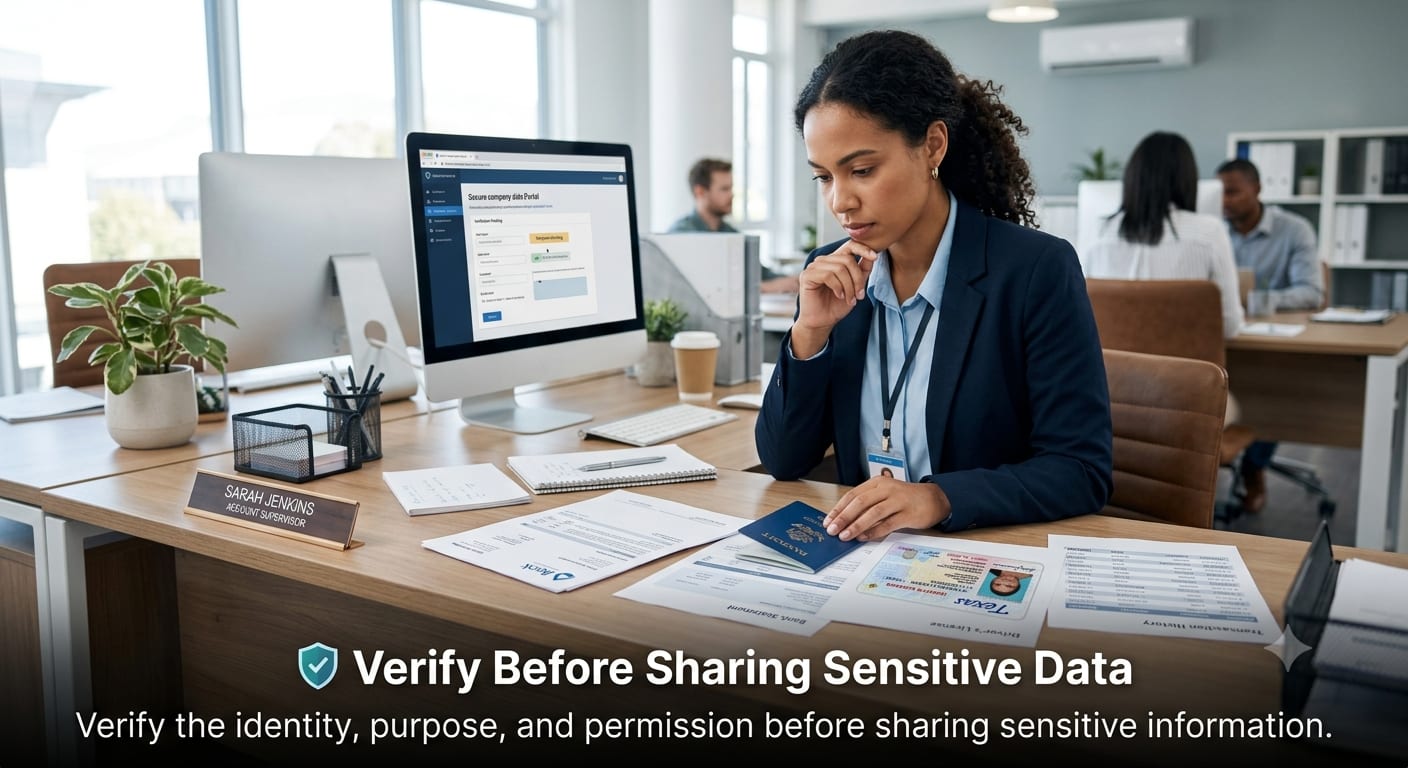
The biggest lesson from this incident is that cybersecurity is not just about protecting computers and systems. It is also about protecting people and processes from manipulation. Organizations should not automatically trust sensitive requests just because they come from a legitimate email address or official source. Employees should verify who is making the request, why the information is needed, and whether they are actually authorized to receive it.
The same applies to everyday users. Do not assume an email is safe just because it looks official. Scammers know that people naturally trust banks, government agencies and other trusted organizations, and sometimes they only need access to a legitimate account to make a fake request look real. The attacker did not have to break Revolut's system. They attacked the trust around the system. And sometimes, that is all it takes.


You might also like
AI Is No Longer Just Answering Questions. It's Now Hacking Into Websites
The Dark Business behind Fake Websites: Microsoft Takes Down a Phishing Network behind Over 1 Billion Messages
Over one billion messages crafted to scam business professionals. Now, how did it happen?

That Free Game you Downloaded Wasn’t Really Free!
Comments(2)
So insightful 👏